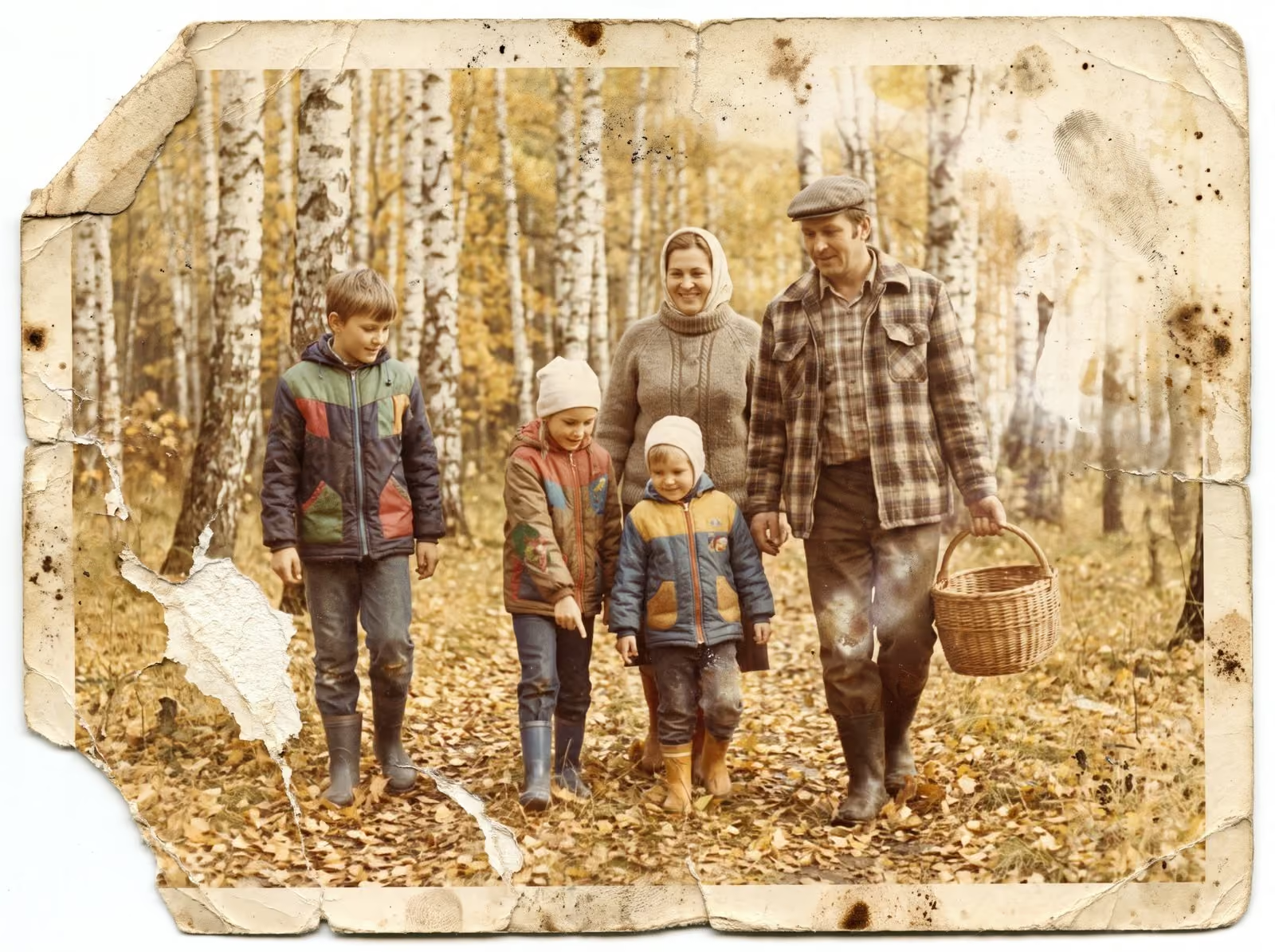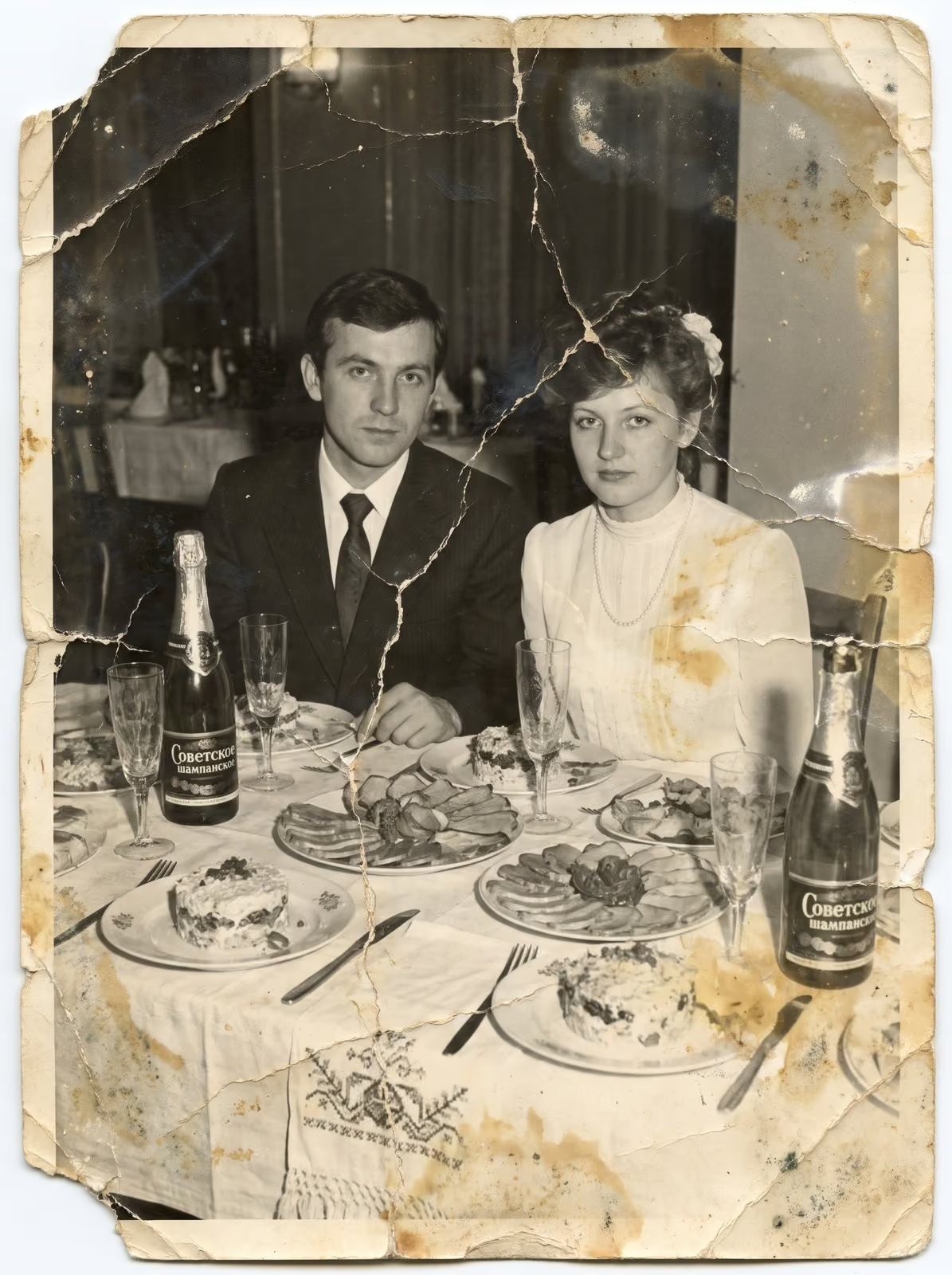
Wedding pictures are among the most handled photographs in a family. They sit in albums, hang on walls and travel to anniversaries. They also pick up damage: creases, stains, fading and yellowing. Restoring them is one of the most rewarding kinds of work, and it helps to know what to expect.
Typical damage in old wedding photographs
- Yellowing and fading. White dresses turn cream, and black suits turn brown. The whole print loses contrast.
- Creases and cracks. Prints that were bent in albums or carried in wallets show white lines through the picture.
- Stains and spots. Water, glue and fingerprints leave marks. Foxing, the small brown spots of old paper, is common.
- Silvering. In older black and white prints, the dark areas can turn metallic and mirror-like.
- Torn corners and edges. Prints that were pulled from album corners lose small pieces.
The challenge of white
A wedding dress and veil are among the hardest things to restore well. White fabric is made of very fine detail: folds, lace, embroidery and shadows. If the print has yellowed, the detail is still there, but at low contrast. A restorer brings it back carefully, so that the dress looks white without losing its texture. If the dress is flat and blown out, the result looks like a cut-out. The goal is a dress with depth.
Group portraits take time
A wedding group picture can hold twenty people. Each face needs the same care, so that nobody looks better or worse than their neighbour. Damage across a face is repaired first, because faces are what everyone looks at. Then backgrounds, clothing and flowers are worked on.
Colour
Colour prints from the 1960s to the 1990s often fade unevenly. Blues and greens may vanish, leaving a red cast. Restoring colour means bringing the picture back toward natural skin tones, believable greens and a clean white. If the photograph is black and white, you may choose to keep it that way, or to add colour. The guide to colourising black and white photographs explains the options.
What to do before you send
Scan the print flat, or take a clear phone photo in daylight with the whole print in the frame. Do not use tape or glue on tears. If the photograph is in an album, do not peel it. Note who is in the picture and the date, and any family stories that go with it. If there is a second copy, such as a negative or another print, mention it, because it can fill in what the first has lost.
Printing the result
A restored wedding photograph is often printed and framed. Ask for a file at a size that suits the print: a large print needs more pixels than a small one. Keep the original in a safe, dry place, and give relatives copies of the restored version, so that everyone has the picture, and the fragile original is handled less.
A restoration can be a gift
Many wedding restorations are made as anniversary presents. If you need the result by a date, tell the restorer early, so there is time for review and for printing. The guide to what affects the price of photo restoration explains how to plan.
Related guides
To learn what is realistic, read what can and cannot be restored. To protect the rest of your wedding pictures, see how to preserve a family photo archive. For torn or wet prints, read first aid for damaged photographs.
Send me your wedding photograph
Send a scan or a phone photo, and tell me a little about the picture. I reply with a plan, a quote and a turnaround. You can request a restoration quote here, browse the wedding restorations, and call, email or message me using the details at the bottom of this page.