People often ask what photo restoration costs, and the honest answer is: it depends on the photograph. Two prints of the same size can need very different amounts of work. This guide explains what drives the price, so you can understand a quote, ask the right questions and decide what to restore first.
1. The amount of damage
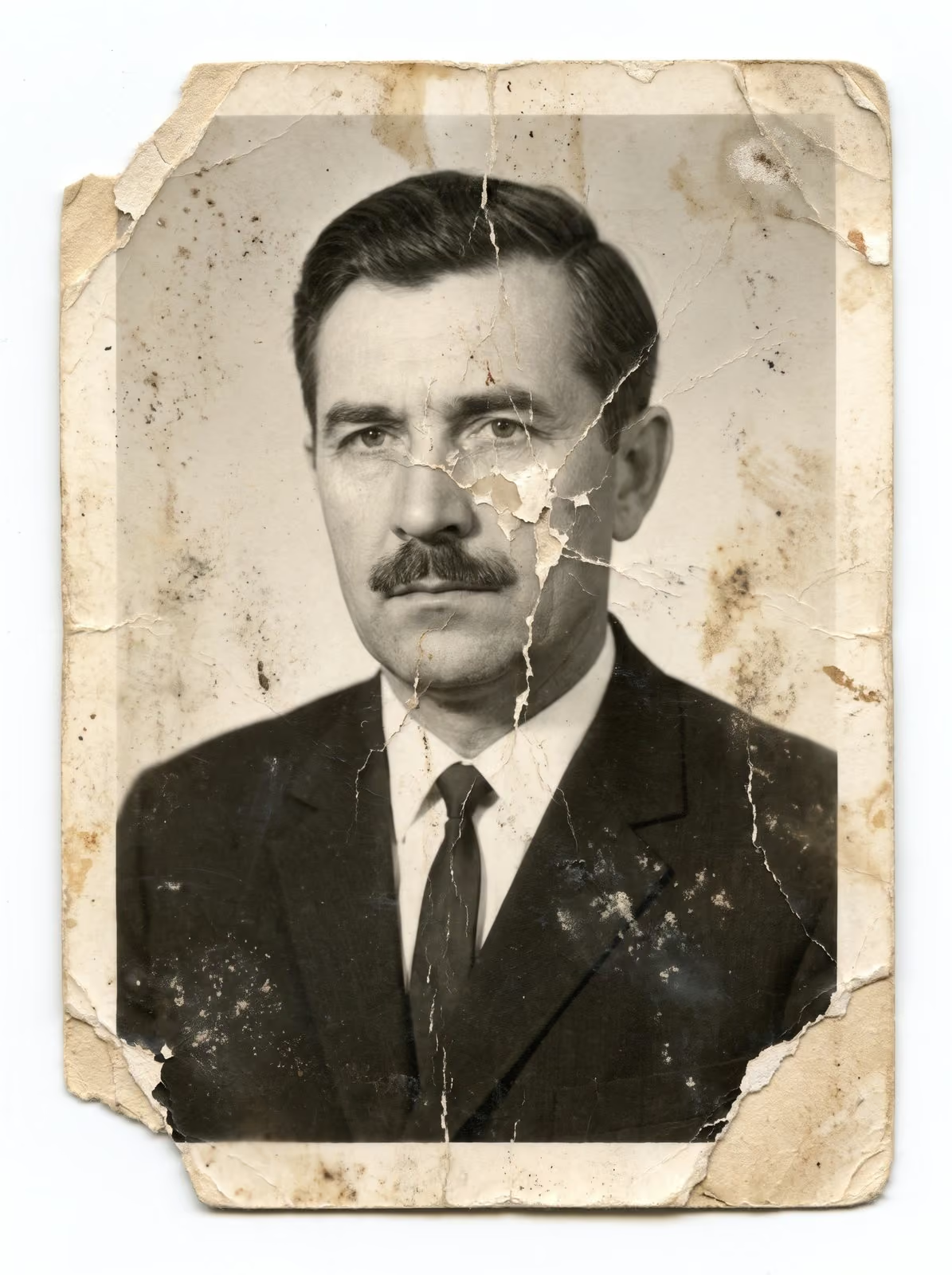
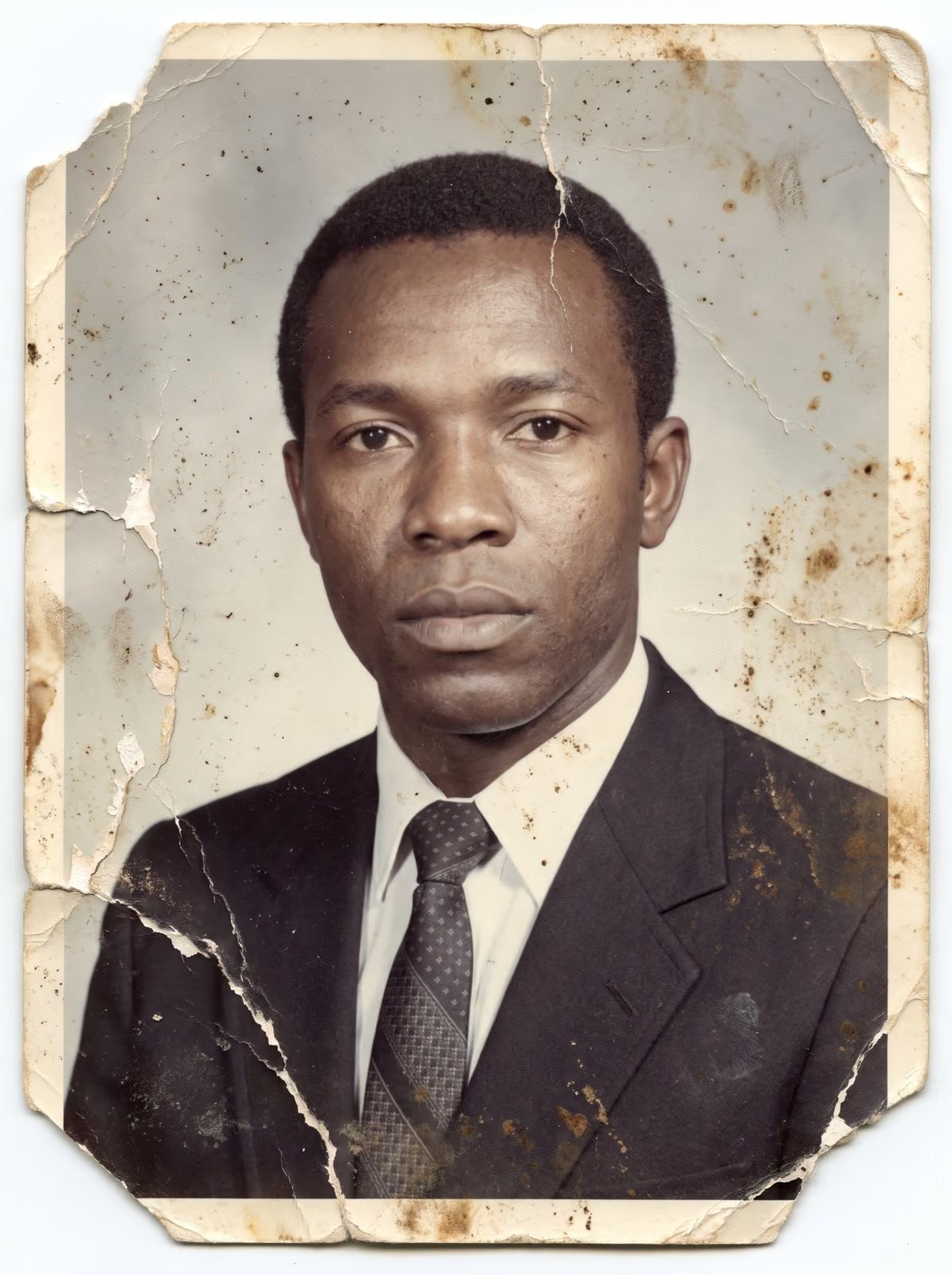
A photograph with a few dust spots needs far less work than one with cracks, stains and missing areas. The more of the picture that needs rebuilding, the more time the work takes. This is why a restorer wants to see your photo before naming a price.
2. Where the damage is
Damage on a plain background is simple to repair. Damage across a face is not. A face needs care at every step, because the person has to stay recognisable. A crack through an eye, a stain over a mouth or a fold across a smile takes more skill and more time.
3. The number of faces
A group photograph with twelve people has twelve faces to repair. Each one is worked on by itself. A portrait of one person takes less time than a family photograph of the same size.
4. Resolution and quality of the scan
A sharp, high-resolution scan gives a restorer more to work with. A low-quality scan, such as a phone photo of a print under a lamp, has less detail and more glare, which can make the work slower and the results less certain. A careful scan at the start often saves time. The guide to choosing a scanning resolution can help.
5. Colour work
Bringing back faded colour, or turning a black and white photograph into colour, is extra work on top of the repair. If you want colour, say so when you ask for a quote. The guide to colourising black and white photographs explains what is involved.
6. How many photographs you have
Restoring a collection costs less per photograph than restoring one at a time, because setting up and agreeing the style happens once. A volume discount applies from 50 images. You can see how discounts and units work on the pricing page.
7. The deadline
If you need a photograph by a fixed date, such as a memorial or an anniversary, tell the restorer early. Urgent work can displace other jobs. Planning ahead keeps costs down.
How to get an accurate quote
- Take a clear phone photo of each damaged print, in daylight, with the whole photograph in frame.
- Tell the restorer how many photographs there are and what each one is for.
- Say whether you want colour, a print-ready file or a file for the screen.
- Ask what is included, how many rounds of review there are and how the files are delivered.
- Ask about the turnaround, and whether discounts apply.
How to keep costs reasonable
Start with the photographs that matter most. Scan well the first time. Send the best copy you have. Group your photos so that similar ones can be processed together. And decide in advance what you want to receive, so that the work is done once.
What I do
I look at your photograph before I quote, and I tell you what can be done, what cannot and what it costs. The price is confirmed in writing before any work starts. See photo restoration for how the work goes, and the restoration portfolio for examples.
Related guides
If you are not sure what can be saved, read what can and cannot be restored. If your photo is wet or torn, see first aid for damaged photographs.
Ask for a quote
Send a scan or a phone photo of your photograph. I reply with a plan, a quote and a turnaround. You can request a restoration quote here, and you can call, email or message me using the details at the bottom of this page.