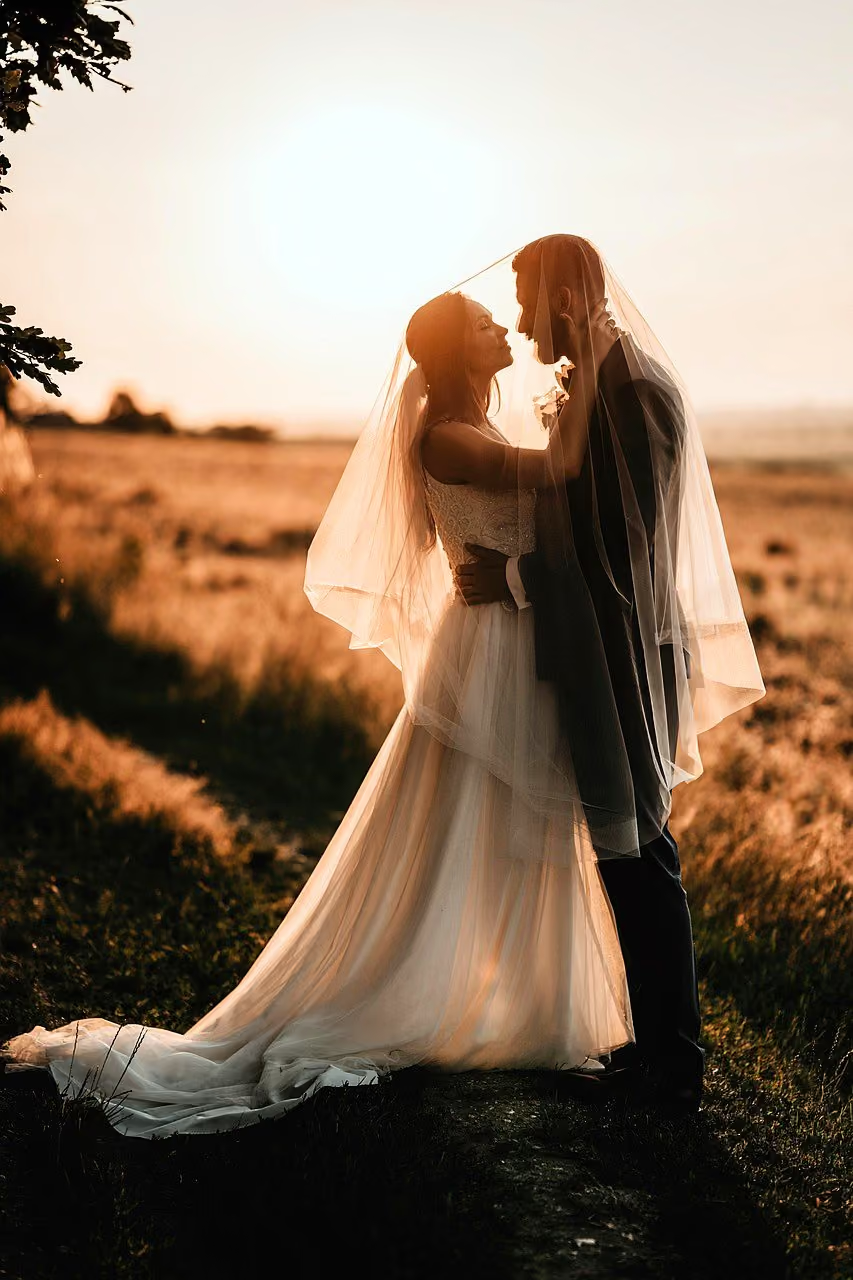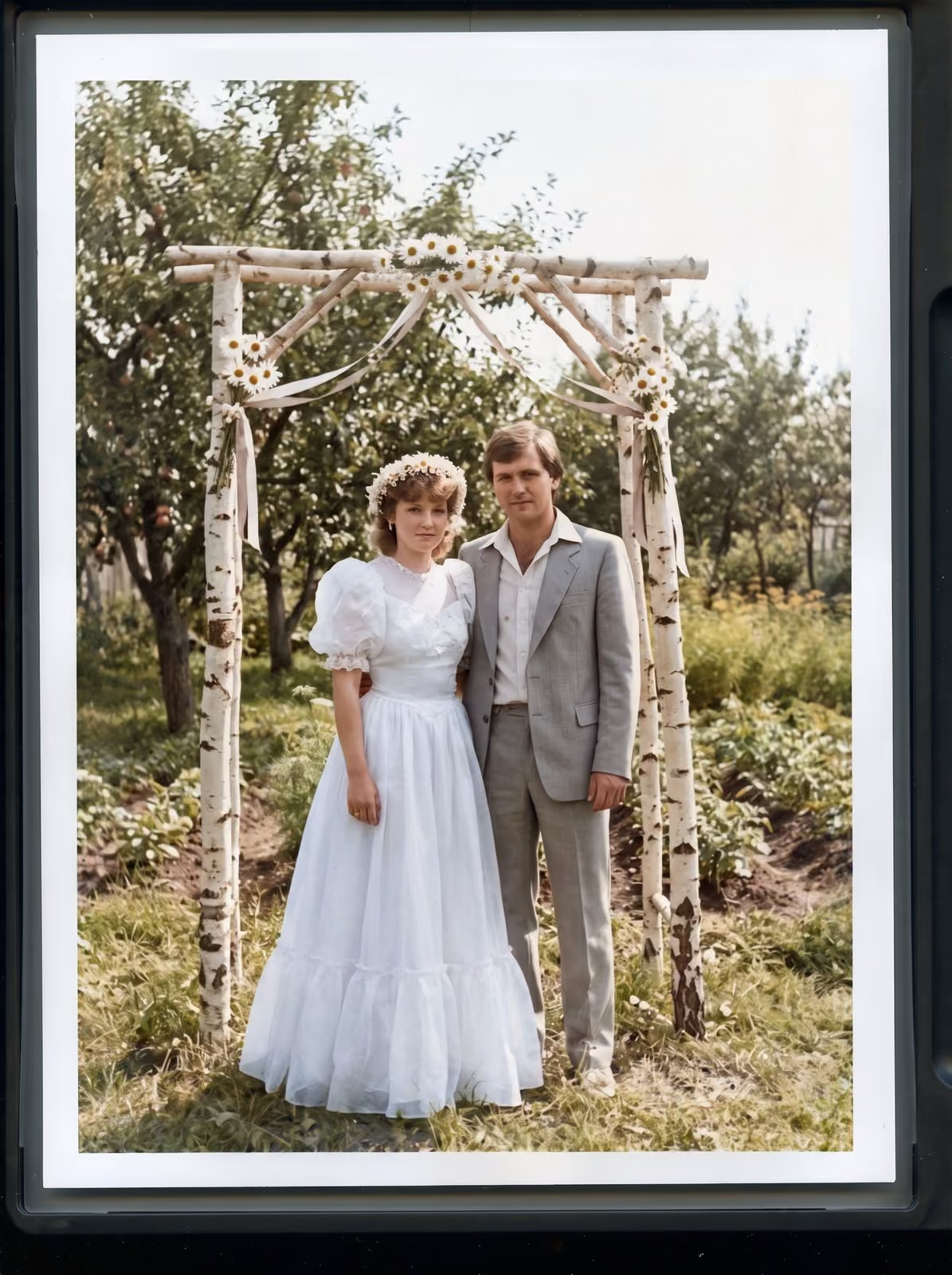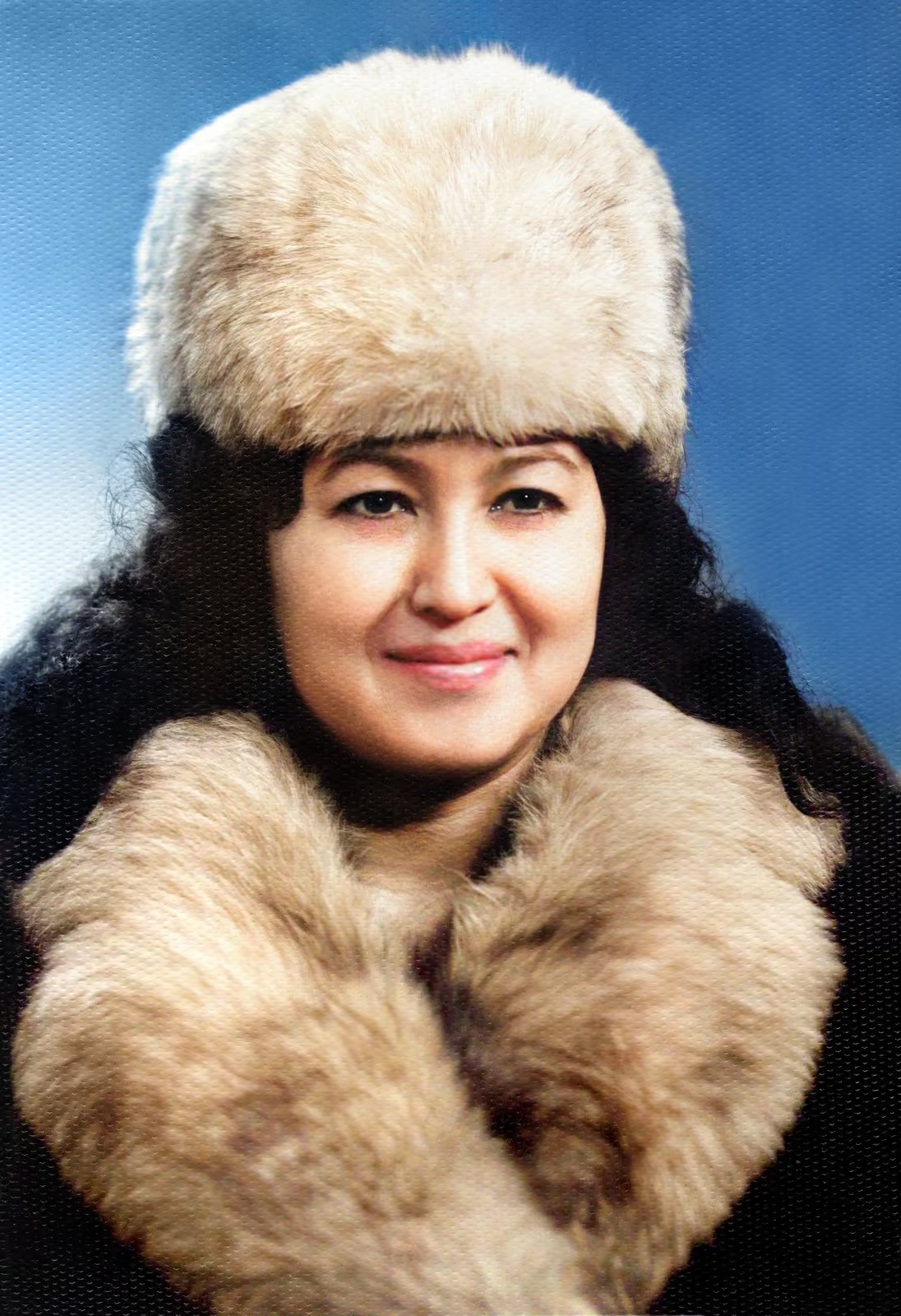
Adding colour to a black and white photograph can make a person from the past feel close. It can also go wrong. Whether it is right for your picture depends on what you want from it. This guide explains what colourisation is, how accurate it can be and how to prepare.
What colourisation is
A black and white photograph records brightness, not colour. Colourisation adds colour on top of that brightness, based on what the picture shows and what is known about the time and the place. It is an interpretation, not a recovery. Nobody can tell the exact colour of a dress from a grey tone. What can be done is to choose natural, believable colours, and to check them against what you know.
What can be known
- Skin, hair and eyes. Family members can usually tell you the colour of hair and eyes. Skin tones are chosen to suit the person and the light.
- Sky, grass, water, wood. These follow nature, and the choices are usually easy.
- Military uniforms and national dress. Reference material often exists. A photograph with a uniform can often be coloured accurately.
- Clothes and objects. Often unknown. If someone remembers a colour, use it. If not, choose something that fits the time.
When colour is a good idea
Colourisation works well for portraits where you want the person to feel present, for family history projects and for pictures that will be displayed on a wall or shared with younger relatives. It suits clear, sharp originals best.
When to leave it black and white
Some photographs are strongest as they are. A portrait with deep shadows and strong contrast can lose its mood with colour. If the picture is a historical document, keep the original as it is, and make a coloured copy as an extra. You never lose anything by adding a coloured version next to the original.
Repair first, colour second
A damaged photograph needs to be restored before it is coloured. Cracks, stains and fading show up more in colour. A good colour job starts from a repaired picture. See photo restoration and the restoration portfolio, which includes a portrait brought from black and white into colour.
How to prepare
- Send the best scan of the photograph you can. A sharp scan gives better colour.
- Write down what you know: hair and eye colour, the colour of a uniform or a dress, the season, the place.
- Send other photographs of the same people, in colour if there are any. They help match skin tones.
- Say how natural you want the result: soft and gentle, or rich and vivid.
- Review the first version, and ask for changes. Colour is a matter of taste, and it can be adjusted.
What to expect
You receive a coloured version and keep your black and white original. If you decide you prefer one over the other, you have both. Colour is a separate decision from repair, so I ask you about it before I start and agree the approach with you. It is quoted separately.
A note on honesty
A coloured photograph should say that it is coloured. Keep the black and white original, label the coloured file as an interpretation and share both with the family. Over time, people forget that the dress in the picture was blue because the restorer chose blue, and not because anyone remembered it. A short note in the file name or the caption keeps the record straight, and it respects the people in the photograph as much as the colours do.
Related guides
To see what drives the price of restoration, read what affects the price of photo restoration. To learn what can be repaired, read what can and cannot be restored. To scan your photographs well, see how to choose DPI when scanning old photos.
Ask me about colour
Send a scan or a phone photo of your photograph, and tell me what you would like. I reply with a plan, a quote and a turnaround. You can request a restoration quote here, and you can call, email or message me using the details at the bottom of this page.