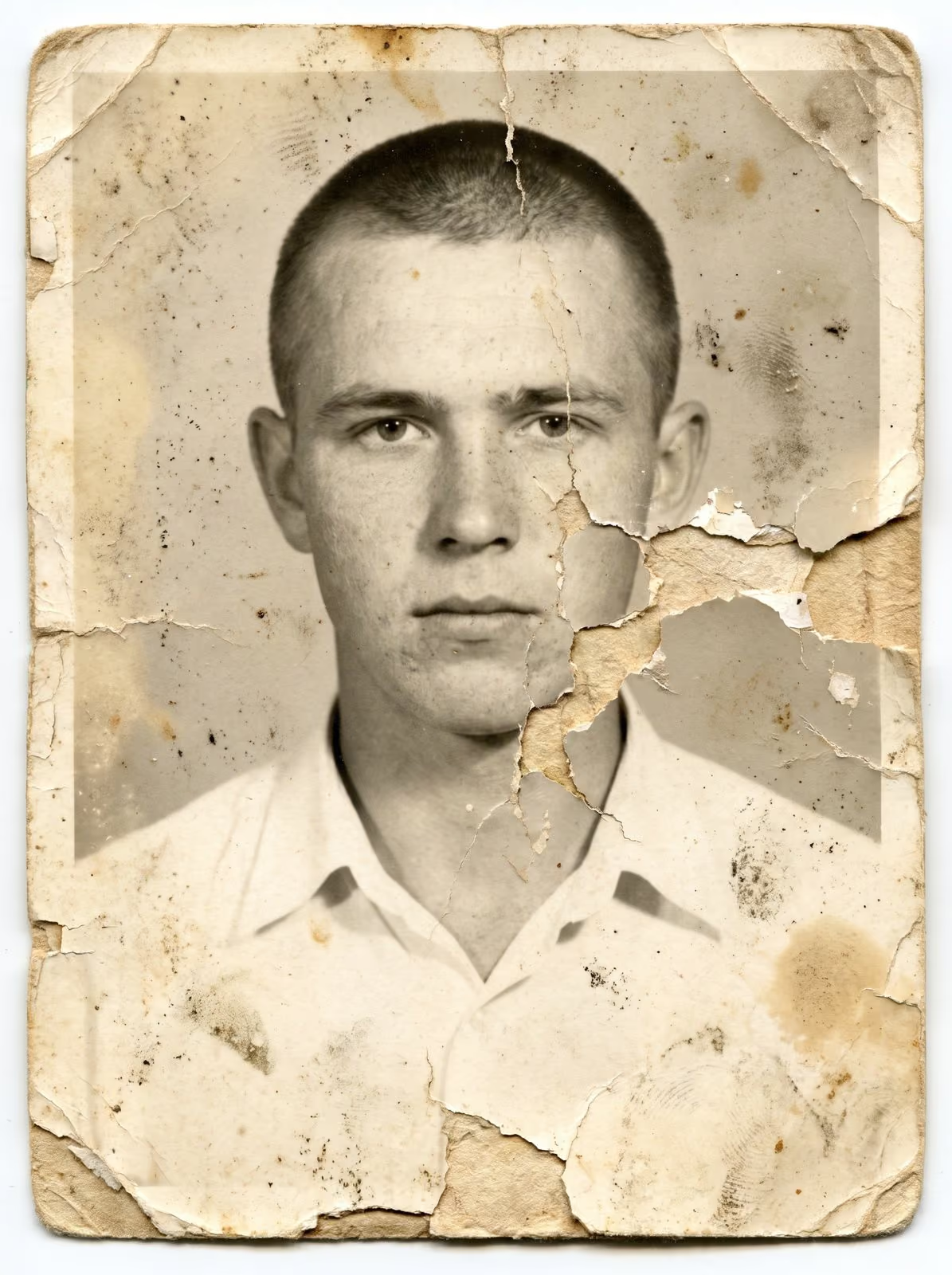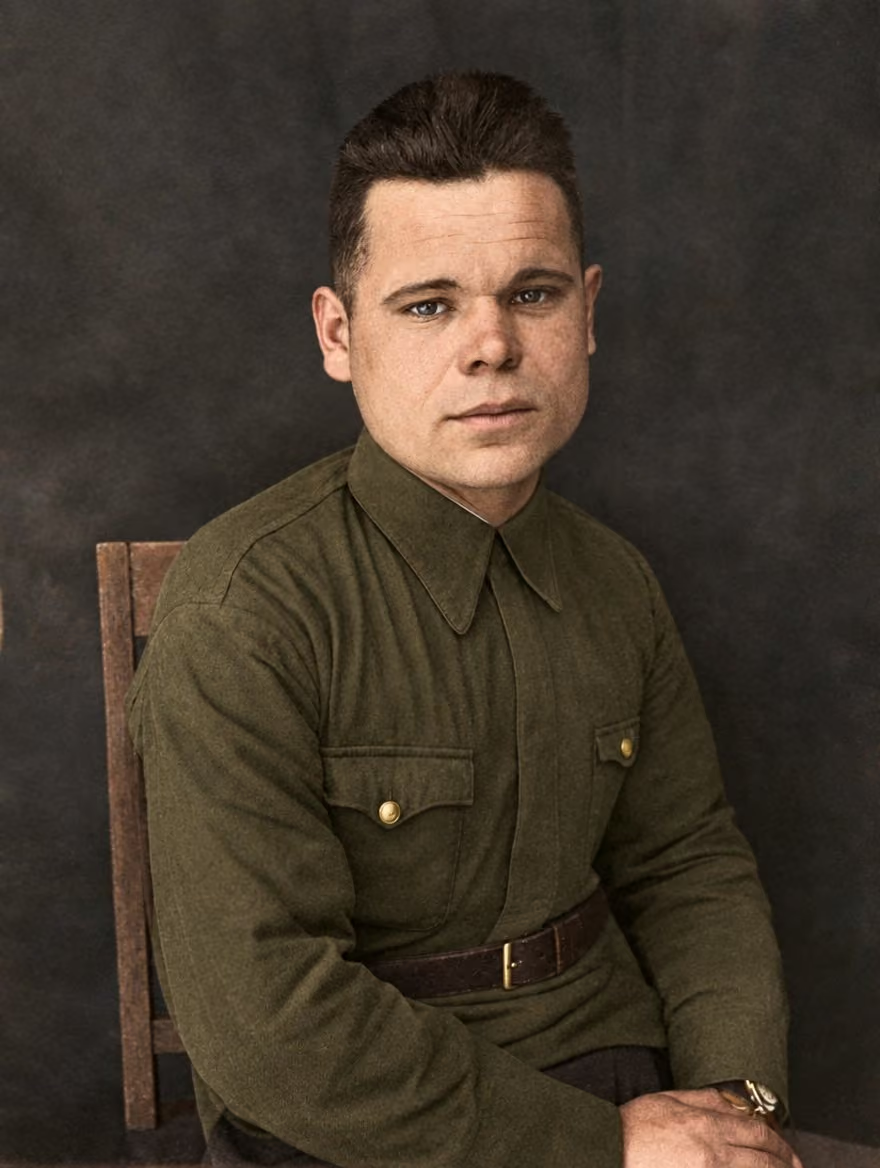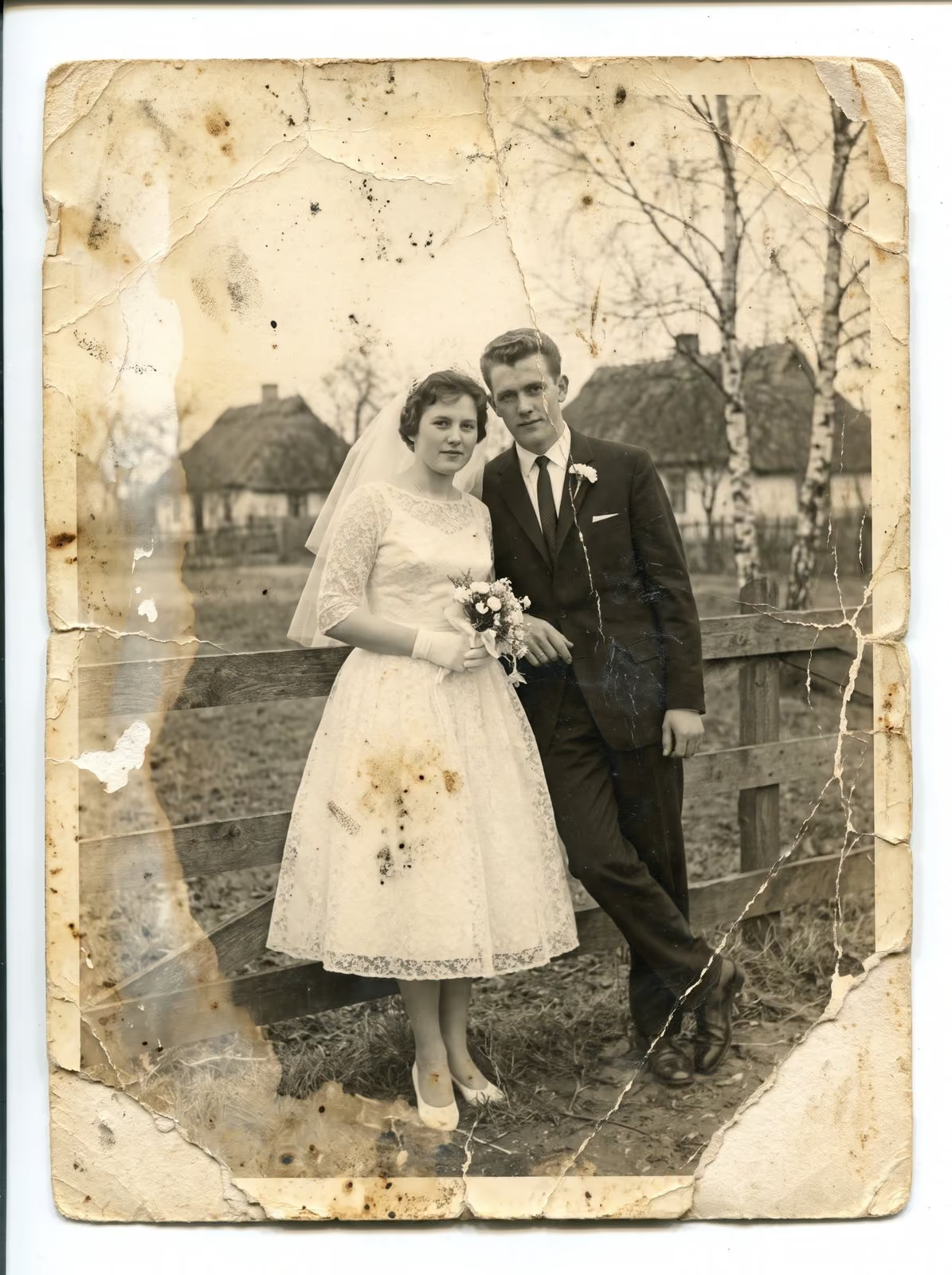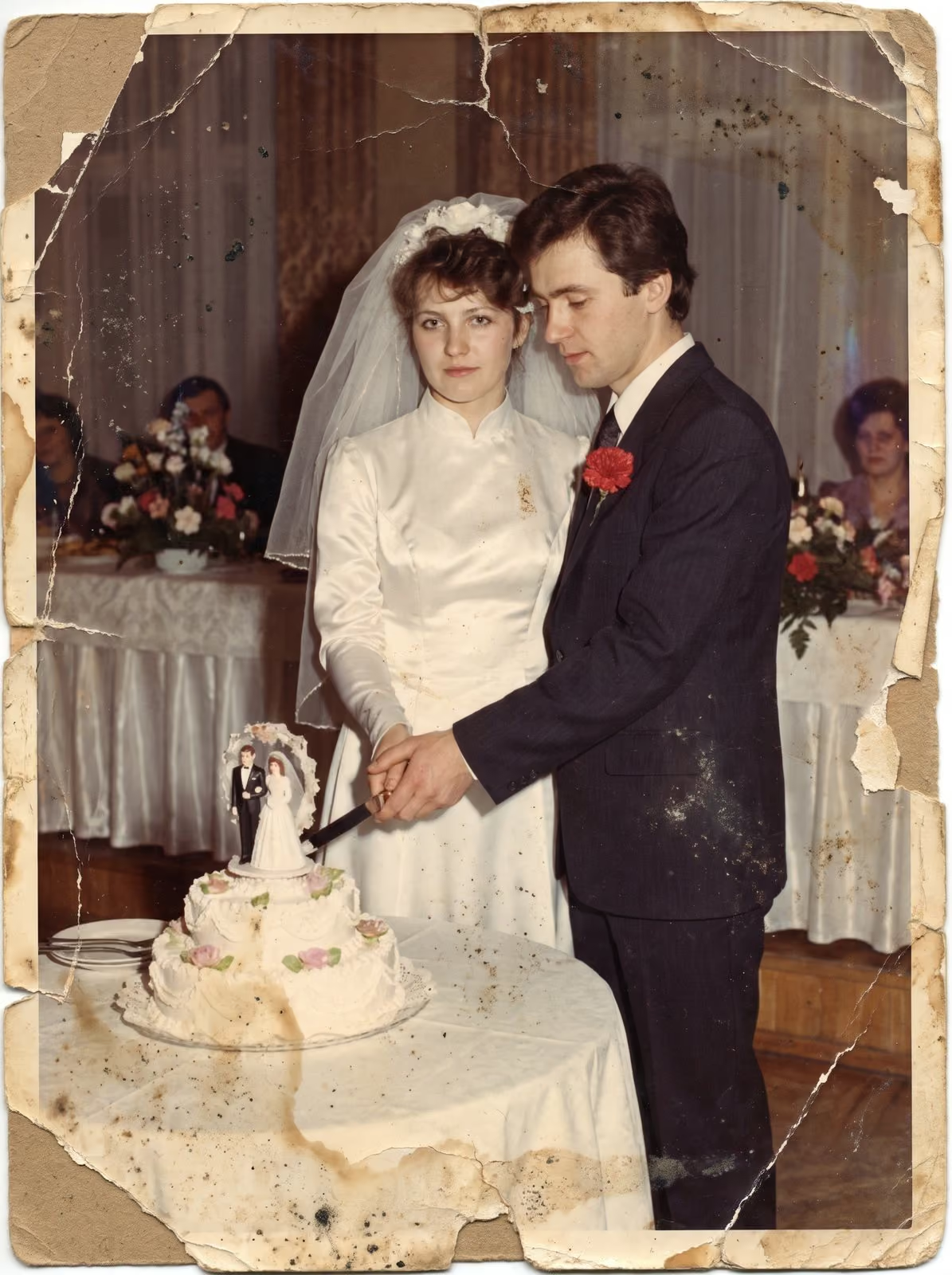
Old photographs are fragile and often irreplaceable. Sending them by post is safe when you pack them well, and it lets someone who lives hundreds of kilometres away work on them. This guide covers what to do before, during and after you post them.
Before you pack
- Photograph everything first. Take a clear phone photo of each print, strip or slide. If anything goes wrong, you still have a record, and I can often judge the damage from the photo before you send the original.
- Write a list. Note how many items you are sending and what each is. Keep one copy and put one in the parcel.
- Tell me before you ship. We agree how it travels in writing, including packaging, tracking, insurance and return shipping.
Packing prints
- Remove paper clips, rubber bands, staples and tape. Do not peel prints off album pages. Tell me about stuck prints and I tell you how to send them.
- Place each print in a clean sleeve or between sheets of plain paper so the surfaces do not touch.
- Sandwich the stack between two pieces of stiff cardboard that are bigger than the prints.
- Put the sandwich in a firm envelope or box. A flat, rigid mailer keeps prints from bending.
Packing film, slides and negatives
- Leave film in its sleeves or original cans. Do not unroll it.
- Keep slides in their trays or boxes, so they stay in order.
- Pack flat, with padding on all sides. Brittle film and glass negatives need extra cushioning and a rigid box.
- Never use plastic bags for long-term storage, but a sealed bag around the package is fine against rain in transit.
Choosing the service
Pick a tracked service so you can follow the parcel and ask for a signature on delivery. Consider insurance for anything that cannot be replaced. Keep the receipt and the tracking number.
After you send
I confirm when your parcel arrives and check the contents against your list. You receive the finished files by secure download, and your originals travel back to you under the terms we agreed.
Prefer not to post anything?
You can drop originals off in Smoky Lake, or start with a scan or a phone photo for photo restoration and send originals only if I need them. Edmonton clients can read how it works on the Edmonton page. For scanning, see print scanning.
What to put in the parcel
Slip a single sheet of paper inside, on top of the stack, with your name, email address and phone number, a list of what you are sending and a short note on what you want done. Parcels get separated from emails, and a note inside means nothing gets lost. Do not write on the back of any photograph. If you need to label a print, use a soft pencil lightly on the back edge, or put the print in a labelled sleeve.
Things that go wrong, and how to avoid them
- Bent prints. This is the most common damage. A rigid cardboard sandwich and a firm mailer fix it.
- Prints stuck together. Humid weather can fuse prints that touch. Separate them with plain paper, not with plastic.
- Wet parcels. Put the whole package in a sealed bag inside the outer envelope. Rain is the quiet enemy of post.
- Parcels sent without tracking. If something goes missing, you want to know where it was last seen. Pick a tracked service and keep the number.
- Everything in one parcel. If you have a very large or very valuable collection, split it into two or three parcels, so that one loss would not take the whole archive.
When it is better not to post
Some originals are too fragile or too precious to travel: a glass negative with a crack, a photograph that is flaking, a framed print stuck to its glass. In those cases, tell me before you do anything. We can work from detailed phone photos first, and I will tell you whether the item can travel safely or should be handed over in person in Smoky Lake.
Related guides
Before you pack, read how to prepare photos and film for scanning. To protect the rest of your archive, see how to preserve a family photo archive. If your photos are damaged, the guide to first aid for damaged photographs explains what to do and what not to do before you send them.
Ready to send something?
Write to me first, and I reply with the address, a checklist and the terms for your parcel. You can request a restoration quote or a scanning quote, call me, or message me on WhatsApp. My contact details are at the bottom of this page.