A wedding day can leave a photographer with thousands of frames. Delivering all of them overwhelms clients. Delivering too few leaves gaps in the story. Culling, the choice of which frames to keep, is the quiet skill behind a gallery that people love. This guide explains how to do it well, and how to hand it over if you need to.
What culling is for
Culling has two jobs. The first is quality: removing frames that are out of focus, badly exposed or blurred by movement. The second is story: choosing the pictures that tell the day in order, with the right balance of portraits, details, groups and moments. A gallery is not a pile of the best pictures. It is a sequence.
First pass: technical checks
Go through the set quickly, and mark frames that fail on basics. Check focus on the eyes. Check exposure, including blown highlights on a white dress. Check closed eyes, awkward expressions, hands in odd places and blocked faces. Use a fast, consistent rule, and do not agonise over each frame at this stage.
Second pass: choose between similar frames
Weddings produce bursts of nearly identical frames. From each burst, choose one or two. Prefer the frame where the expression is genuine, the light is good and everyone is looking natural. If a group photograph has one person with eyes closed in the best frame, check the neighbours before you give up on it.
Third pass: build the story
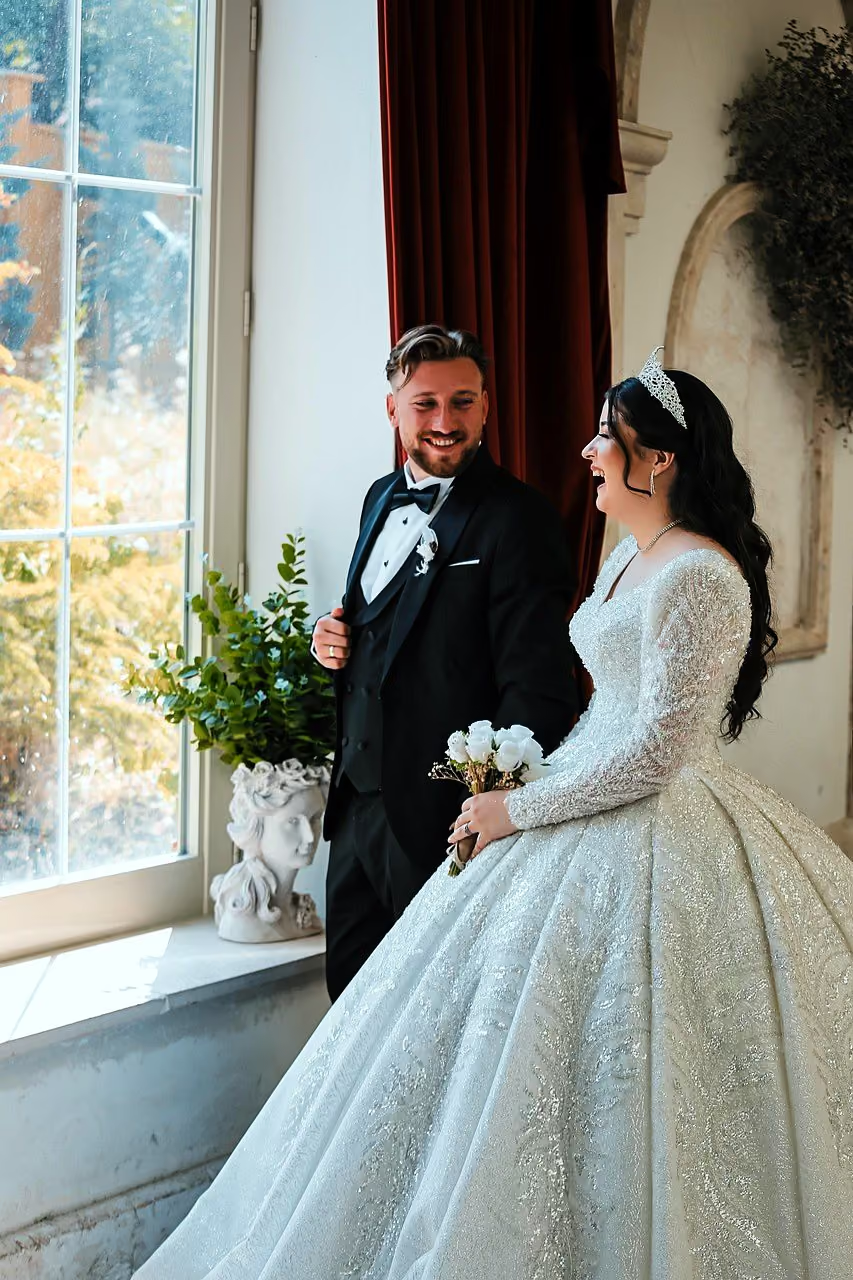
Arrange the survivors in the order of the day: preparations, the ceremony, portraits, the reception. Check that each part has enough pictures to feel complete, and not so many that it feels repetitive. Make sure that key people appear: the families, the wedding party, the older guests. Look for small moments that explain the day: a hand held, a laugh, a toast.
Think about numbers, but do not be ruled by them
There is no single right number of images. It depends on the length of the day, the style of coverage and the package you offer. Decide a range in advance, and tell the clients what to expect. A smaller gallery of strong frames is almost always better received than a large one with filler.
Be careful with deleting
Do not delete rejected frames until the gallery is delivered and approved. A frame that looks unimportant to you may be precious to a family. Keep rejects in a separate folder, so you can go back.
Be consistent about style
Culling and editing work together. If you choose frames in one mood and edit in another, the gallery feels uneven. Keep a style note, and review the gallery as a whole before delivery. See how to outsource wedding photo batch editing for how to write one.
When to hand culling to someone else
Culling takes hours, and it is hard to be objective about your own pictures. Many photographers hand the first pass to an editor, then review the shortlist. If you do, send a short brief: how many images you want to deliver, the moments that matter and the kind of expression you prefer. Ask the editor to mark rejects rather than delete them, and review the first batch before the rest.
Protect your clients’ privacy
Wedding pictures are personal. Share the originals through a private, secure link, and agree that nothing is shared or used without your consent. Delete shared folders when the job ends.
Related guides
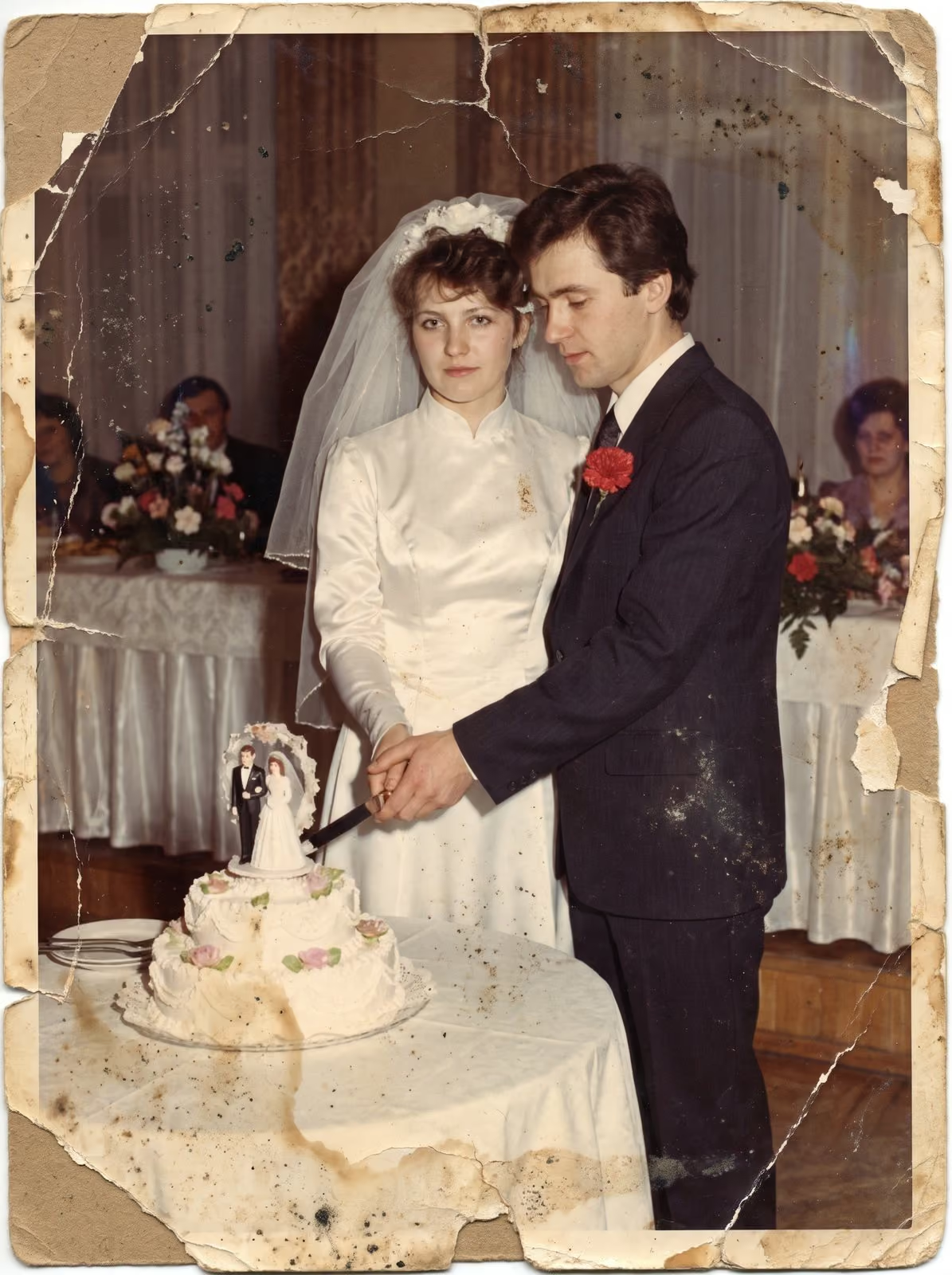
For the editing side of the job, read how to outsource wedding photo batch editing. For portraits, see natural retouching: where to stop and headshot retouching for teams. If you also have old wedding prints, see restoring old wedding photos.
Send me a sample set
Send me a sample set and a short note about your style. I return the edited sample so you can judge it before you send a full wedding. Turnaround for a full batch is 14 business days, and a discount applies from 100 images. You can request a retouching quote here, read about wedding and family batch editing, and call, email or message me using the details at the bottom of this page.